
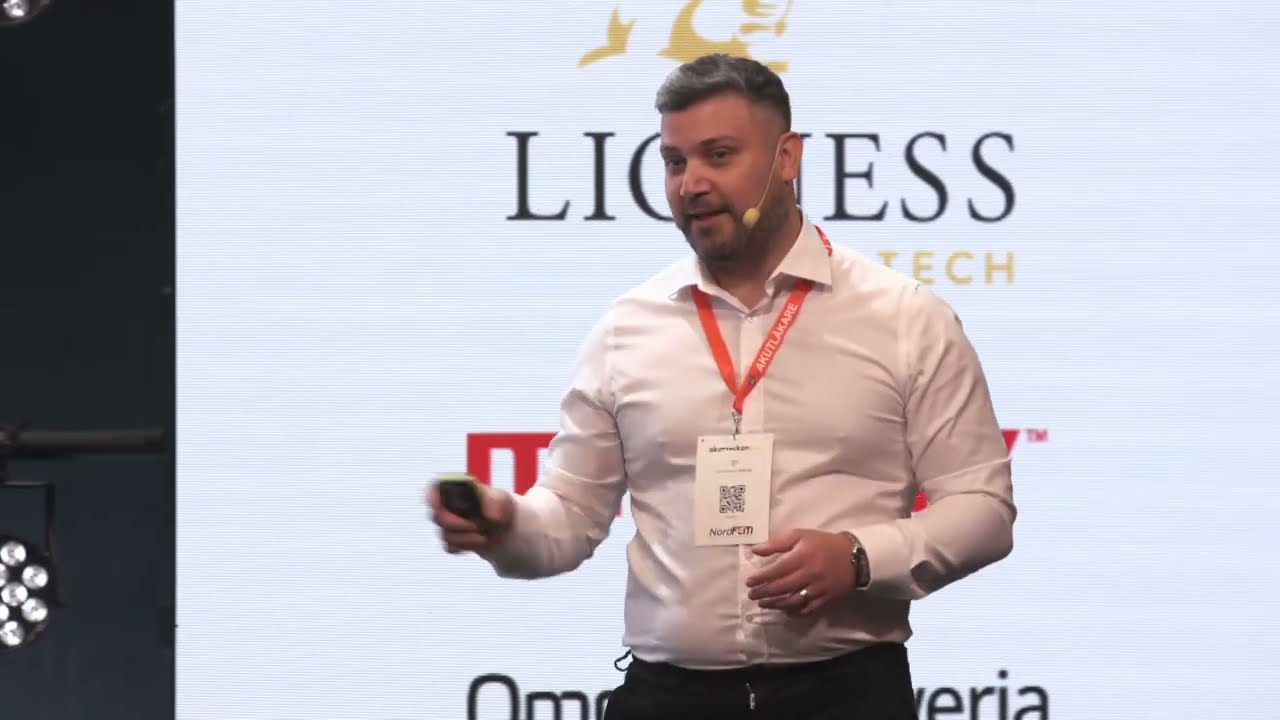
Mohammed Abu-Ragheef, emergency physician at Uppsala University Hospital and SWESEM Critical Care Committee chair, outlines implementing critical care in EDs during Akutveckan. Pioneers like Maurice Ellis (1950s UK casualty consultant) pushed for permanent ED staffing beyond “playgrounds” for specialists. Eastern Europe adopted EM earlier (e.g., Bulgaria 1996) than Scandinavia (Norway 2017, Denmark 2018) due to crises forcing broad ED roles amid collapsed systems.
Critically ill patients? Audience defines as cascade-triggered deterioration (Scott Weingart’s “looks like shit” index) or system-dependent imminent collapse. Care starts prehospital, not just ICU—ED stabilizes amid shortages, but variation persists (e.g., southern vs. northern Sweden). ED challenges: undifferentiated arrivals, chaos, untrained teams vs. ICU’s controlled diagnostics/prevention.
Abu-Ragheef urges ownership: Scan/know ED equipment (resusc room tools often unused/fragmented), build EM teams via task-shifting/sims with nurses. Follow “slow is smooth, smooth is fast” (Weingart)—master logistics via repetition, not blame-shifting. Proactive rounding, local protocols/guidelines, continuous training (not just CPR certs), Swedish Critical Care Committee for homogeneity/networking. Own your jungle: Pressure orgs, simulate realities (e.g., Petrosoniak-style logistics), foster interspecialty trust sans fights. Future: Homogenized, responsible ED critical care elevating EM identity amid crises. Q&A stresses sims, nurse inclusion.