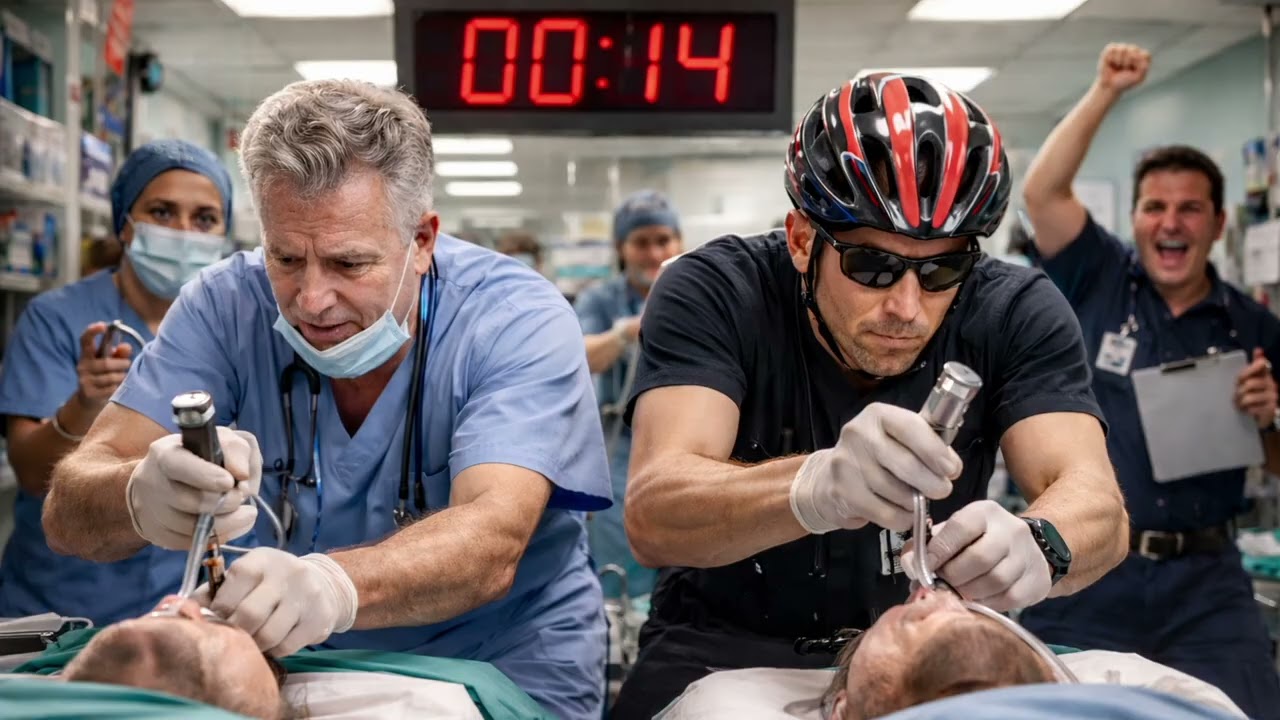
Hjalti Már Björnsson delivers a compelling lecture on acute airway management controversies in Nordic emergency medicine. He highlights dyspnea as the leading ED mortality risk—higher than chest pain (e.g., 4-7% in-hospital mortality for dyspnea vs. lower for STEMI), drawing from Danish Hillerød Hospital studies.
Tensions between emergency physicians and anesthesiologists run deep, especially in Norway where guidelines prohibit EM intubation without anesthesia backup—a politically driven “historically stupid” compromise. Björnsson debunks myths that EM can’t maintain skills, citing US data from over 50,000 intubations showing equivalent success rates to anesthesiologists (~once/month per EM doc). Video laryngoscopy shortens the learning curve to 15-50 attempts.
Rural Nordic challenges are stark: Iceland’s remote clinics (e.g., Vestmannaeyjar, <5,000 residents) depend on GPs, with surveys revealing only 20% feel intubation-trained and half competent in bag-mask ventilation.
Björnsson urges immediate ED RSI capability (per UK Royal College standards), joint checklists, telebation for remote guidance, and basic airway training for all doctors beyond ACLS. EM must handle broad emergencies—ACS, trauma, deliveries, shock—efficiently in sparse areas; economics support EM covering nights to free specialists. Ultimately, teamwork across EM, anesthesia, and critical care harnesses shared expertise to save lives, rejecting toxic hierarchies.