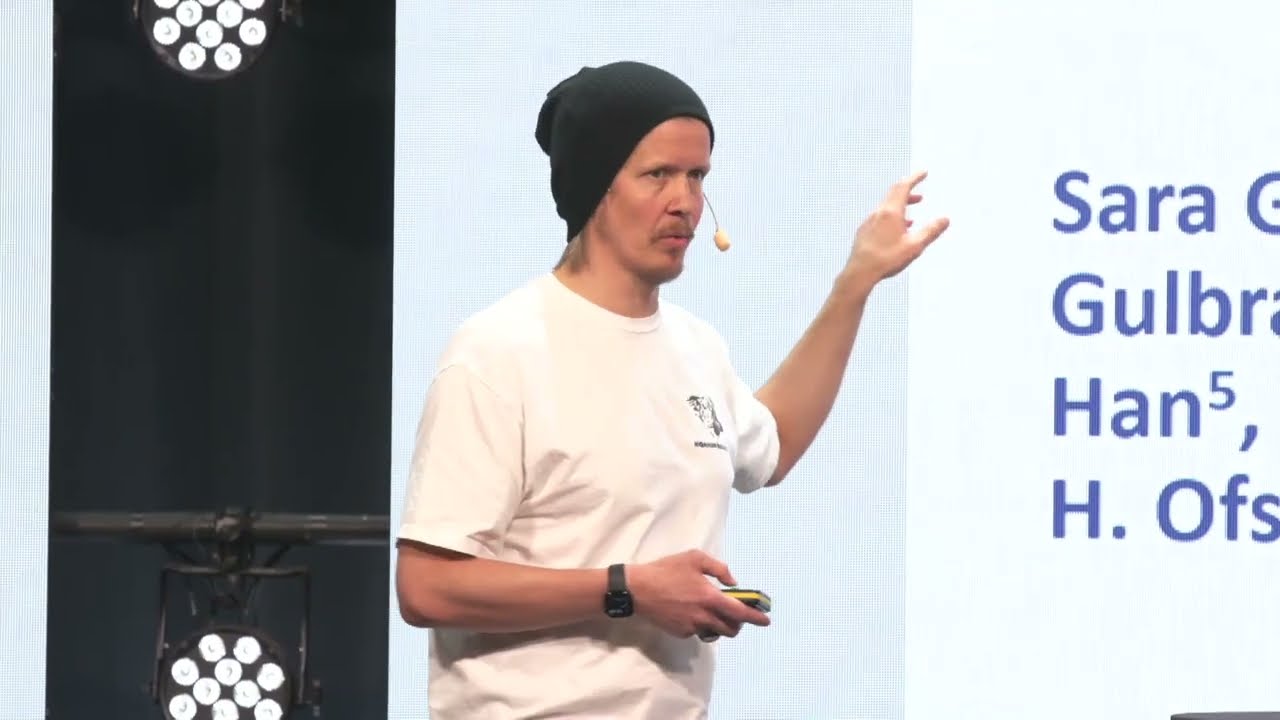
Eirik Ofstad, chief consultant/chief of emergency department and 12-bed observation ward at Nordland Hospital (Bodø, above Arctic Circle; 12k visits/year), explores medical uncertainty in clinical practice. Trained as general internist (2007), EM specialist (2020—first in northern Norway); PhD (2015) on communication/decision-making/uncertainty.
Why tough? Med school/natural science trains “right/wrong” (multiple-choice bias); real-world: Context-limited evidence (younger cohorts, fewer comorbidities), constrained resources/time. Uncertainty: Cognitive awareness of unknown (subjective); experienced clinicians pattern-recognize (chunk info), stay open/flexible vs. novices’ linear overwhelm [web: from prior].
Strategies (qual studies, US/Norway docs): Curative (reduce: seek info/colleagues); palliative (live with: epistemic maturity/humility/flexibility/openness). Norwegian “utrygghet”: Blurs uncertainty/insecurity (shame/imposter fears); rural/urban stressors (competence/problem complexity/support/responsibility).
Tools: PRU (Physicians’ Reactions to Uncertainty) clusters tolerance best (use alone); multi-questionnaires detail more. FY1 advice (n=20 shadowed/interviewed): Trust self, ask boldly, accept uncertainty, stand before consulting.
FELV rules (Fvaitlana-inspired, “mountain mind”): 1) Accept/embrace; 2) Break down sources (epistemic/org/patient/personal); 3) Balance curative/palliative; 4) Include pt/family (“What worry?”); 5) Evidence + tailor/shared DM; 6) Intuitive/analytic awareness; 7) Safe choices (humble/courageous consults); 8) Know when to turn (bias-check); 9) Calm/support/supervise.
Leads: Normalize/discuss uncertainty; praise specifics, question critiques (ALOBA model). Outcomes: Prevents burnout, improves decisions/dialogue [web: from prior]. Q&A: Seniors—curiosity/clarity/empathy/courage; pts—probe tolerance (bear if unwanted); juniors—probe pt needs, less lecturing (~50% retained).